The art of crafting a rich and aromatic Vietnamese pho broth lies in the meticulous preparation of its foundational elements. Among these, the treatment of beef bones and the careful selection of spices play pivotal roles in achieving a clean, deeply flavorful base. Traditional methods emphasize the importance of blanching bones to remove impurities, followed by a slow simmer with a balanced spice blend to create a broth that is both complex and comforting.
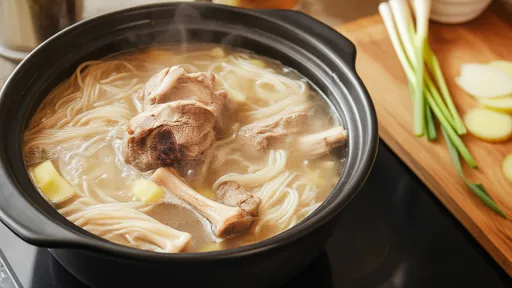
Blanching beef bones is a critical first step that cannot be overlooked. Fresh beef bones, particularly marrow-rich cuts like knuckles or leg bones, are rinsed thoroughly before being submerged in cold water. As the pot comes to a boil, a frothy layer of scum rises to the surface—this consists of coagulated proteins, blood, and other impurities that would otherwise cloud the broth and impart unwanted gaminess. Skimming this layer diligently ensures a clear, clean-tasting liquid. Many cooks repeat this process twice, discarding the initial boiling water entirely and starting anew with fresh water for the final simmer.
Once the bones are properly blanched, the real alchemy begins with the introduction of aromatic spices. A classic pho spice bundle might include star anise, cinnamon sticks, cloves, black cardamom, and coriander seeds—each toasted lightly to awaken their essential oils. These spices are traditionally tied in cheesecloth or a mesh bag for easy removal, preventing them from scattering through the broth. The sachet bobs alongside charred onions and ginger, which contribute a subtle sweetness and smokiness that counterbalance the spices’ warmth.
The simmering stage demands patience—a gentle heat over many hours allows collagen to dissolve from the bones, yielding that signature silky mouthfeel. During this time, any residual fat rises to the surface, where it can be periodically skimmed off. What remains is a broth with remarkable clarity and depth, its flavors harmonized through prolonged cooking. This slow extraction also ensures that no single spice dominates; instead, they weave together into a unified aroma that defines authentic pho.
Regional variations exist, of course. Some chefs add rock sugar for balance, while others incorporate fish sauce for umami depth. Certain northern Vietnamese recipes omit spices altogether, focusing purely on the purity of bone flavors. Yet the universal truth remains: proper bone preparation and spice integration are what separate a forgettable broth from one that lingers in memory. The careful removal of impurities at every stage results in a liquid that’s not merely a base, but the soul of the dish—a fragrant, golden elixir worthy of its cultural legacy.
Modern adaptations sometimes take shortcuts, but purists argue that the traditional methods yield irreplaceable results. Pressure cookers may reduce time, but they can’t replicate the gradual flavor development of an all-day simmer. Similarly, pre-ground spices lose their potency compared to freshly toasted whole spices. For those willing to invest the effort, the reward is a broth that captures the essence of Vietnamese culinary philosophy—where simplicity of ingredients meets complexity of technique, and where every step honors the ingredient’s potential.
Beyond technical execution, there’s an almost meditative quality to the process. The rhythmic skimming, the periodic tasting and adjusting, the way the kitchen fills with evolving aromas—it’s a ritual that connects contemporary cooks to generations of pho masters. This intangible heritage is perhaps why homemade pho broth carries such emotional weight for Vietnamese families, serving as both nourishment and cultural touchstone. Whether enjoyed in a bustling Hanoi alley or a home kitchen abroad, that first spoonful of carefully crafted broth transcends mere sustenance, offering a taste of tradition perfected through patience and respect for the craft.
By /Jun 18, 2025

By /Jun 18, 2025
By /Jun 18, 2025
By /Jun 18, 2025
By /Jun 18, 2025
By /Jun 18, 2025
By /Jun 18, 2025
By /Jun 18, 2025

By /Jun 18, 2025
By /Jun 18, 2025
By /Jun 18, 2025
By /Jun 18, 2025
By /Jun 18, 2025

By /Jun 18, 2025
By /Jun 18, 2025

By /Jun 18, 2025