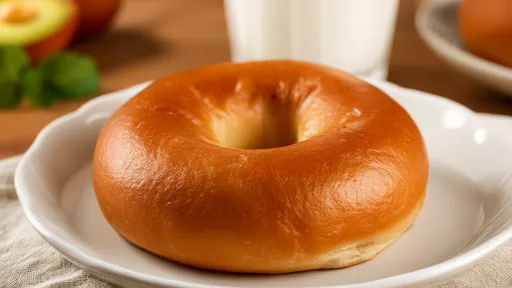
The art of crafting the perfect bagel lies in the delicate balance of technique and timing, with the boiling process standing as one of the most critical steps. Unlike other bread varieties, bagels undergo a unique pre-bake boiling that gives them their signature chew and glossy exterior. The science behind this transformation is fascinating, particularly how sugar in the boiling water and precise timing contribute to the development of that coveted sheen.
When bagel dough hits the boiling water, several chemical reactions begin immediately. The heat causes the starches on the surface to gelatinize, creating a protective layer that will later crisp up in the oven. But it's the addition of sugar – whether malt syrup, honey, or plain sugar – that truly elevates this process. As the bagel boils, the sugar caramelizes on its surface, forming a thin, glossy coating that will bake into that characteristic golden-brown shine.
The duration of boiling plays an equally crucial role in developing texture and appearance. A shorter boil of about 30 seconds per side yields a softer bagel with a thinner crust, while extending the time to a full minute or more creates a denser chew and thicker crust. Professional bakers often refer to this as "setting the skin" – the longer the boil, the more pronounced the glossy, crackly exterior becomes after baking.
Interestingly, the type of sweetener used affects not just the shine but also the flavor profile. Malt syrup, traditional in New York-style bagels, provides a deeper color and richer taste compared to white sugar. Honey offers a subtle floral note while contributing to browning. The concentration matters too – typically 1 tablespoon of sweetener per quart of water strikes the right balance between shine development and flavor enhancement.
Temperature control during boiling is another often-overlooked factor. The water should maintain a vigorous but not rolling boil – around 200°F (93°C) – to ensure even cooking without compromising the dough's structure. Too aggressive a boil can cause the bagels to puff unevenly or develop surface blisters, while insufficient heat may lead to inadequate gelatinization of starches.
Seasoned bakers have developed various techniques to maximize shine. Some add a small amount of baking soda to the boiling water to increase alkalinity, which promotes browning. Others employ a double-boil method – briefly removing the bagels from the water after the initial boil, then returning them for a second dip to build up additional surface sugars. These methods all aim to enhance that mirror-like finish that signals a properly crafted bagel.
The transformation continues in the oven, where the pre-set crust from boiling undergoes the Maillard reaction – the chemical process responsible for browning baked goods. The sugars caramelized during boiling interact with amino acids in the dough at high heat, deepening the color and developing complex flavors. This is why properly boiled bagels emerge from the oven with that irresistible combination of shine, crispness, and depth of flavor.
Commercial bakeries face unique challenges in maintaining consistency across large batches. Many have adopted steam-injected boiling systems that maintain precise water temperature and sugar concentration. Some even use light corn syrup in their boiling water for its consistent browning properties and extended shelf-life benefits, though purists argue this sacrifices authentic flavor.
Home bakers can achieve professional results by paying attention to several key details. Using a wide, shallow pot allows for consistent water temperature when boiling multiple bagels. Maintaining the sweetener-to-water ratio ensures even browning. Perhaps most importantly, allowing the shaped bagels to properly proof before boiling gives the gluten network time to develop, preventing deflation in the water.
The cultural significance of the shiny bagel exterior shouldn't be underestimated. In many communities, the depth of shine indicates a baker's skill level. Jewish bakeries in particular take pride in achieving what they call "bloom" – that perfect combination of shine, blistering, and color that makes their bagels instantly recognizable. This visual cue has become so important that some establishments lightly brush their bagels with sugar water after baking to enhance the appearance, though this creates more of a glaze than the authentic boiled shine.
Modern variations on the traditional method continue to emerge. Some artisanal bakers experiment with alternative sweeteners like maple syrup or agave nectar, each imparting unique visual and flavor characteristics. Others play with boiling times – very brief dips for softer "water rolls" or extended boils for extra-chewy Montreal-style bagels. The constant remains the fundamental relationship between sugar, time, and temperature in creating that perfect glossy finish.
Understanding these principles allows bakers at any level to troubleshoot common issues. A dull surface often indicates insufficient sugar in the boiling water or inadequate boiling time. Pale coloring suggests the water temperature was too low or the oven wasn't hot enough to complete the Maillard reaction. By mastering these variables, anyone can produce bagels with that professional-quality shine that signals a truly exceptional product.
The quest for the perfect glossy bagel represents a beautiful intersection of science and tradition. From the chemical changes occurring during the boil to the generations-old techniques perfected in bakeries worldwide, this simple step transforms ordinary dough into something extraordinary. Whether you prefer yours with a thin, delicate shine or a thick, crackly crust, understanding these fundamentals ensures every batch emerges from the oven with that irresistible, glossy perfection.
By /Jun 18, 2025
By /Jun 18, 2025
By /Jun 18, 2025
By /Jun 18, 2025
By /Jun 18, 2025
By /Jun 18, 2025
By /Jun 18, 2025

By /Jun 18, 2025
By /Jun 18, 2025
By /Jun 18, 2025
By /Jun 18, 2025
By /Jun 18, 2025

By /Jun 18, 2025

By /Jun 18, 2025

By /Jun 18, 2025

By /Jun 18, 2025