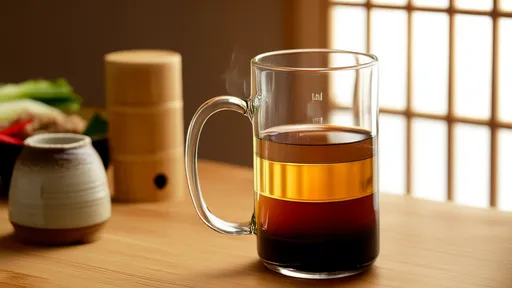
The art of Japanese sukiyaki lies in its delicate balance of sweet and savory flavors, achieved through the harmonious marriage of mirin, soy sauce, and sugar. This holy trinity of ingredients forms the foundation of the iconic sukiyaki sauce, a culinary alchemy that has been perfected over generations. While many variations exist across households and regions, the golden ratio of these components remains the soul of this beloved hot pot tradition.
At the heart of every exceptional sukiyaki experience is mirin, the sweet Japanese rice wine that brings depth and complexity to the sauce. Unlike its stronger cousin sake, mirin contains lower alcohol content but higher sugar concentration, making it indispensable for achieving that characteristic glossy sheen and rounded sweetness. The fermentation process gives mirin its distinctive aroma - a fragrant bouquet that elevates the umami of thinly sliced beef without overpowering it. When heated, mirin's sugars caramelize gently, creating subtle notes that dance between butterscotch and toasted rice.
The counterpoint to mirin's sweetness comes from soy sauce, preferably the artisanal brewed varieties like koikuchi or usukuchi. Dark soy sauce provides the necessary savory backbone with its deep, fermented complexity, while light soy sauce offers a more delicate salinity that doesn't dominate the palate. The magic happens when amino acids from the soy sauce interact with mirin's sugars, producing layered flavors that coat each ingredient with what Japanese chefs call "koku" - that indefinable richness that makes you crave another bite.
Granulated sugar might seem like a humble addition, but it plays multiple crucial roles in the sukiyaki sauce matrix. Beyond simply amplifying sweetness, sugar modifies the sauce's viscosity, creating that luxurious clinging quality that makes sukiyaki so indulgent. The crystalline structure also interacts differently with other ingredients compared to liquid sweeteners, allowing for more controlled caramelization during cooking. When balanced correctly, the sugar shouldn't taste overtly sweet but rather enhance the natural flavors of premium ingredients like Wagyu beef and seasonal vegetables.
Traditionalists argue that the golden ratio should follow nature's seasons - slightly sweeter in winter to provide energy against the cold, more savory in summer to stimulate appetite in humid weather. The baseline proportion often starts at equal parts mirin and soy sauce with sugar adjusted to taste, but master chefs have their secret variations. Some add a splash of dashi to lighten the intensity, while others might include a teaspoon of sake for additional fragrance. What remains constant is the careful calibration that makes the sauce neither cloying nor salty, but perfectly attuned to the ingredients it will embrace.
The preparation method matters as much as the ingredients themselves. Unlike Western sauces that often combine everything at once, sukiyaki sauce benefits from staggered incorporation. Many chefs first simmer the mirin gently to burn off excess alcohol while preserving its aromatic qualities, then add sugar to dissolve completely before introducing soy sauce. This sequential approach allows each component to express its full character while creating a more integrated final product. The sauce should never boil vigorously - gentle heat preserves the delicate balance and prevents harsh flavors from developing.
Regional differences showcase how the golden ratio adapts to local tastes. Kansai-style sukiyaki tends toward a sweeter profile with more pronounced mirin notes, reflecting the area's historical access to quality rice wines. In contrast, Tokyo versions often emphasize soy sauce's umami with restrained sweetness, creating a more sophisticated, grown-up flavor. These variations prove that while the mirin-soy-sugar triangle remains sacred, there's room for personal expression within its framework.
Modern interpretations have introduced interesting twists to the classic formula. Some contemporary chefs experiment with substituting brown sugar or honey for white sugar, adding subtle molasses or floral undertones. Others might incorporate fruits like Asian pear or apple to supplement the sweetness naturally. Yet even these innovations respect the fundamental balance - the new elements complement rather than replace the core trio, demonstrating the formula's remarkable versatility.
The true test of a well-balanced sukiyaki sauce comes during the communal cooking process. As ingredients simmer in the shared pot, the sauce should gradually concentrate without becoming syrupy or salty. High-quality components will maintain flavor clarity even as they reduce, allowing each diner to appreciate how the sauce enhances different ingredients - enriching the beef's fattiness, highlighting the tofu's creaminess, and brightening the vegetables' freshness. This dynamic interaction at the table is where the golden ratio proves its worth.
Beyond sukiyaki, understanding this flavor trinity unlocks countless Japanese culinary possibilities. The same balanced combination appears in teriyaki glazes, nimono simmered dishes, and even some marinades. Once mastered, the mirin-soy-sugar equilibrium becomes a versatile tool for creating authentic Japanese flavors at home. It teaches the fundamental principle of washoku - that true deliciousness comes not from overwhelming the palate but from achieving perfect harmony among a few quality ingredients.
For home cooks seeking to recreate authentic sukiyaki, investing in premium ingredients makes all the difference. Mass-produced mirin substitutes (often called "mirin-fu") with corn syrup and additives will never achieve the same depth as authentic hon-mirin. Similarly, artisanal soy sauces brewed traditionally over months develop amino acid profiles that industrial versions can't match. When working with such pristine components, restraint becomes key - the golden ratio works because it lets these exquisite flavors shine rather than burying them under excessive seasoning.
The cultural significance of sukiyaki sauce extends beyond mere taste. In its careful balance, we find the Japanese aesthetic principle of "not too little, not too much" - the pursuit of perfection through moderation. The golden ratio isn't just about measurements; it's about creating a flavor experience where no single element dominates, where each sip of the sauce makes you appreciate the whole more than the parts. This philosophy transforms sukiyaki from simple hot pot into a meditation on harmony, one delicious bite at a time.
By /Jun 18, 2025

By /Jun 18, 2025
By /Jun 18, 2025
By /Jun 18, 2025
By /Jun 18, 2025
By /Jun 18, 2025
By /Jun 18, 2025
By /Jun 18, 2025

By /Jun 18, 2025
By /Jun 18, 2025
By /Jun 18, 2025
By /Jun 18, 2025
By /Jun 18, 2025

By /Jun 18, 2025
By /Jun 18, 2025

By /Jun 18, 2025