The delicate chiffon cake, with its cloud-like texture and tender crumb, has long been a favorite among bakers and dessert lovers alike. Yet this seemingly simple cake presents unique challenges that can frustrate even experienced bakers. Among the most common issues are unsightly cracks across the top and stubborn sticking to the pan that ruins the cake's beautiful presentation. These problems often stem from improper oven temperature management and inadequate pan preparation, but with careful adjustments, they can be resolved to produce picture-perfect chiffon cakes every time.
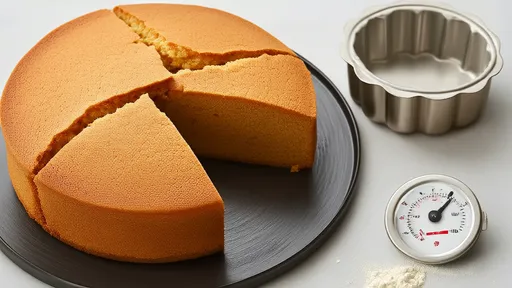
Understanding why chiffon cakes crack requires examining the science behind their unique structure. Unlike butter cakes that rely on chemical leaveners, chiffon cakes get their volume primarily from whipped egg whites. As the cake bakes, the air bubbles in the egg whites expand, causing the batter to rise dramatically. When the oven temperature is too high, this expansion happens too rapidly, creating stress on the surface that results in cracking. The outer layer sets before the interior has finished expanding, forcing the still-rising center to break through the hardened crust.
The ideal baking temperature for chiffon cakes falls between 300°F and 325°F (150°C to 160°C), significantly lower than most conventional cake recipes. This gentle heat allows for gradual, even expansion of the air cells throughout the baking process. Many home ovens run hotter than their dials indicate, making an oven thermometer an essential tool. Position the thermometer in the center of the oven where the cake will bake, and allow at least 20 minutes for the temperature to stabilize before baking. If cracks persist at these temperatures, try reducing the heat by another 10-15 degrees and extending the baking time slightly.
Beyond temperature, the baking environment plays a crucial role in preventing cracks. Chiffon cakes prefer a humid oven atmosphere during the initial rising phase. Placing a shallow pan of hot water on the oven floor or lower rack creates steam that keeps the surface supple longer, allowing it to stretch as the cake expands. Resist the temptation to open the oven door during the first 30 minutes of baking, as sudden temperature drops can cause the delicate structure to collapse or crack. The cake is done when the top springs back lightly when touched and a tester comes out clean.
Equally frustrating to cracks is the heartbreak of a beautifully baked chiffon cake that refuses to release from its pan. The characteristic tube pan design that gives chiffon cakes their height and light texture also creates more surface area for potential sticking. Unlike butter cakes where greasing the pan is standard practice, chiffon cakes require a completely different approach. Any fat coating the sides of the pan prevents the batter from clinging as it rises, resulting in a dense cake that can't achieve its full height. The solution lies in using the right pan preparation technique.
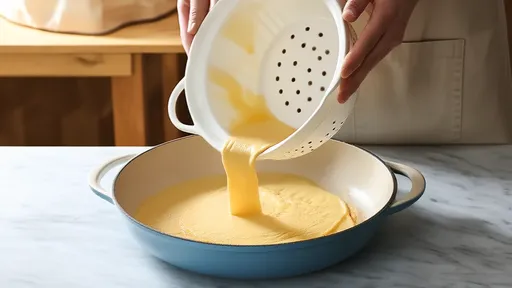
Always choose an aluminum tube pan without nonstick coating for chiffon cakes. The porous nature of uncoated aluminum helps the cake grip the sides as it climbs upward during baking. Thoroughly wash new pans with hot soapy water to remove any manufacturing residues that might cause sticking. Before adding batter, wipe the pan with a paper towel dampened with vegetable oil, then use a dry paper towel to buff away all visible oil. This leaves an almost imperceptible film that allows for easy release without compromising the cake's ability to climb.
The center tube and base of the pan present particular sticking challenges. For these areas, a light dusting of flour after the oil buffing can provide extra insurance. Hold the pan over the sink and tap out excess flour, leaving just a whisper of coating. Some bakers swear by using granulated sugar instead of flour for dusting, which creates a delicate crust that enhances both release and flavor. Never grease the very top edge of the pan where the cake will crown, as this area needs maximum grip for proper rising.
Cooling technique significantly impacts whether a chiffon cake releases cleanly. Immediately after removing from the oven, invert the pan onto a cooling rack or suspend it upside down using the tube center over a bottle neck. Gravity works in your favor during this critical phase, gently stretching the cake downward away from the pan sides as it cools and contracts. Allow a full two hours for cooling before attempting removal. To release, carefully run a thin flexible spatula or knife around both the outer edge and center tube, then tap the pan firmly against the counter to loosen the base.
When cracks do appear despite careful temperature control, several cosmetic fixes can salvage your cake's appearance. A simple dusting of powdered sugar hides minor surface imperfections beautifully. For more substantial cracks, consider slicing the dome off completely to create a level surface, then flipping the cake upside down so the flat bottom becomes the new top. This also provides perfect crumb structure for frosting application. Whipped cream or buttercream can be piped decoratively to cover cracks, or use fresh fruit arrangements to draw attention away from flaws.
Advanced bakers might experiment with adjusting the sugar content in their recipe as another crack-prevention measure. Sugar tenderizes the protein structure in the egg whites, making them more flexible during baking. Increasing the sugar in the meringue by 10-15% can create a more elastic batter that resists cracking, though this may slightly affect texture. Similarly, adding 1-2 tablespoons of cornstarch to the dry ingredients helps stabilize the egg foam for a more gradual rise.
Altitude adjustments become necessary for bakers living above 3,000 feet. The lower air pressure causes the cake to rise faster and higher, increasing cracking risk. Reduce oven temperature by 15-25°F and increase baking time slightly. Decreasing the sugar by 1-2 tablespoons and adding an extra egg white helps strengthen the batter structure against rapid expansion. Some high-altitude bakers find success with a two-temperature approach: start baking at 325°F for 15 minutes to set the structure, then reduce to 300°F for the remainder.
Pan size dramatically affects baking outcomes. Using a pan too small forces the batter to rise too high, virtually guaranteeing cracks. The standard 10-inch tube pan holds about 16 cups of batter - if your pan measures significantly smaller, divide the batter between two pans or make cupcakes with the excess. Conversely, an oversized pan results in a flat cake that lacks the characteristic chiffon height. For consistent results, measure your pan's capacity by filling it with water and pouring into a measuring cup.
Egg white preparation forms the foundation of crack prevention. Whip the whites to stiff but not dry peaks - they should hold their shape when the beater is lifted but still appear glossy. Overbeaten whites become brittle and more likely to crack during baking. Fold the whites into the yolk mixture gently but thoroughly, taking care not to deflate the precious air bubbles. Any streaks of unincorporated egg white can create weak spots in the baked structure where cracks may form.
Modern kitchen innovations offer new solutions to age-old chiffon challenges. Silicone tube pans eliminate sticking concerns entirely while still allowing the cake to climb properly. Their flexible material makes release effortless, though some bakers report slightly different texture results. Ovens with true convection settings provide more even heat distribution, reducing hot spots that might cause uneven rising and cracking. Digital oven thermometers with remote probes allow continuous temperature monitoring without door opening.
Remember that practice and patience yield the best results with finicky chiffon cakes. Each oven and pan combination behaves slightly differently, requiring individual adjustment. Keep detailed notes on temperature variations, baking times, and pan preparation methods for each attempt. What begins as a frustrating series of cracked and stuck cakes will gradually transform into consistently beautiful creations as you refine your technique. The reward of slicing into a perfectly baked, crack-free chiffon cake makes the journey worthwhile.
Beyond basic repairs, understanding these principles opens creative possibilities. Once you've mastered preventing cracks and sticking, experiment with flavor variations like matcha green tea, chocolate, or citrus-infused chiffons. The same techniques apply regardless of flavoring ingredients. Share your knowledge with fellow bakers - the chiffon cake's reputation for difficulty often stems from lack of information about these specific temperature and pan preparation needs rather than any inherent complexity in the recipe itself.
In professional bakeries, chiffon cakes remain popular for their light texture and excellent keeping qualities. Pastry chefs rely on the same fundamental techniques scaled up for production baking: precise temperature control, proper pan preparation, and careful cooling. Some commercial operations use specialized chiffon cake ovens with steam injection systems that automatically regulate humidity during the critical rising phase. While home bakers lack these industrial tools, the core principles translate perfectly to residential kitchens with attention to detail.
The next time your chiffon cake emerges from the oven with an unexpected crack or stubbornly clings to its pan, resist discouragement. View these moments as opportunities to refine your technique rather than failures. With each adjustment to oven temperature and pan preparation method, you move closer to chiffon perfection. The most beautiful cakes often come from lessons learned through those initial imperfect attempts, each crack and sticking episode teaching something new about the delicate balance required for this exquisite dessert.
By /Jun 18, 2025
By /Jun 18, 2025
By /Jun 18, 2025
By /Jun 18, 2025
By /Jun 18, 2025
By /Jun 18, 2025
By /Jun 18, 2025
By /Jun 18, 2025
By /Jun 18, 2025
By /Jun 18, 2025
By /Jun 18, 2025
By /Jun 18, 2025

By /Jun 18, 2025

By /Jun 18, 2025
By /Jun 18, 2025

By /Jun 18, 2025