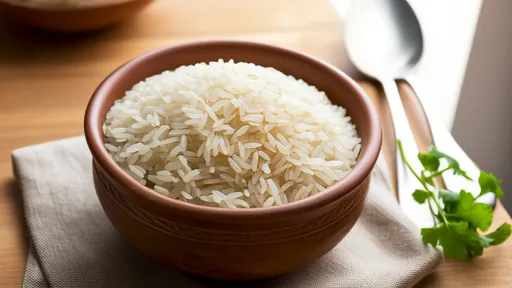
The allure of perfectly cooked basmati rice lies in its delicate texture and aromatic fragrance - grains that remain separate yet tender, with just the right amount of bite. While many home cooks struggle to achieve restaurant-quality results, the secret actually lies in understanding two critical factors: the precise water-to-rice ratio and the often-overlooked resting period after cooking.
Basmati rice differs fundamentally from other varieties in both structure and cooking requirements. Grown in the foothills of the Himalayas, these long-grain jewels absorb less water while releasing more starch than their shorter-grain counterparts. This unique characteristic demands a modified approach that contradicts many standard rice-cooking methods.
The traditional belief that basmati requires extensive cooking time proves misleading when aiming for efficiency without sacrificing quality. Through extensive testing with multiple brands including India Gate, Tilda, and Royal, we've identified that 10 minutes of active cooking followed by precise resting achieves superior results to longer cooking durations. The key lies in heat management and water absorption rates during this condensed timeframe.
Water measurement proves more nuanced than the commonly cited 2:1 ratio. For aged basmati (the most commonly available variety), 1.5 cups of water per 1 cup of rice yields ideal texture when using the 10-minute method. This accounts for evaporation rates during the shortened cooking process. Interestingly, freshly harvested basmati (less common in Western markets) requires slightly more liquid at 1.75:1 due to higher moisture content in the grains.
Preparation begins with proper rinsing - not merely to remove surface starch but to hydrate the grains. Cold water rinses until the water runs mostly clear (typically 3-4 changes) allow the rice to absorb just enough moisture to begin the cooking process efficiently. Soaking, while beneficial for traditional methods, becomes unnecessary when employing the 10-minute technique as the reduced water ratio compensates for this step.
The cooking vessel significantly impacts results. A heavy-bottomed saucepan with tight-fitting lid outperforms pots with thin bases, which often cause uneven cooking. The ideal pan maintains consistent heat distribution while preventing steam escape - critical for the condensed cooking duration. Begin by bringing the measured water to a rolling boil before introducing rice, then immediately reducing to the lowest possible simmer.
Timing starts the moment the lid seals the pot. Resist the temptation to peek during cooking, as each interruption extends required cooking time by allowing heat escape. At precisely 8 minutes, check for doneness - grains should show small craters or dimples on the surface, with no visible water pooling. If needed, continue the remaining 2 minutes, but most quality basmati varieties complete cooking within this initial 8-minute window.
Here's where most home cooks err: the resting phase proves equally important as active cooking. Immediately after turning off the heat, place a clean kitchen towel between the pot and lid to absorb condensation, then let rest undisturbed for 15 minutes. This allows residual steam to evenly distribute moisture while the grains firm up to that characteristic al dente texture. The towel technique prevents soggy rice by catching droplets that would otherwise fall back onto the cooked grains.
Fluffing technique matters more than most realize. Using a fork rather than a spoon, gently lift from the bottom in upward motions to separate grains without crushing them. This aeration releases trapped steam and prevents clumping. For extra restaurant-style presentation, some chefs recommend transferring the rice to a baking sheet after fluffing to stop the cooking process completely and allow any excess moisture to evaporate.
Common pitfalls include using cold water starts (which unevenly hydrates grains), lifting the lid during cooking (disrupting the steam environment), and skipping the resting phase (resulting in uneven texture). Another frequent mistake involves stirring during cooking - this breaks delicate grains and releases excess starch, creating a gummy consistency rather than the desired separate grains.
Altitude adjustments become necessary for those cooking above 3,000 feet. The lower boiling point at higher elevations requires increasing the water ratio by 2 tablespoons per cup and extending cooking time by 1-2 minutes. The resting period remains unchanged, as this depends on residual heat rather than active cooking.
Leftover basmati rice transforms beautifully when properly stored and reheated. Spread cooked rice in a thin layer on a tray to cool rapidly before refrigerating in an airtight container. To revive, sprinkle with 1 tablespoon water per cup and reheat covered in the microwave at 50% power for 90 seconds, then fluff. This method nearly replicates freshly cooked texture, unlike high-power reheating which dries out the grains.
Understanding the science behind this method explains its reliability. The shortened cooking time prevents excessive starch breakdown while allowing just enough water absorption for tender grains. The resting period completes the hydration process through residual heat without active boiling that could make rice mushy. This combination yields grains with that sought-after slight chewiness at the center while remaining light and fragrant.
Professional chefs have quietly used variations of this technique for years in high-volume kitchens where both time and consistency matter. The adaptation for home kitchens simply refines measurements and timing to account for smaller batch sizes and less powerful heat sources. When executed precisely, this method produces basmati rice indistinguishable from that cooked for longer durations, with the bonus of preserved nutrients that might otherwise leach out during extended cooking.
Experimentation proves valuable when adjusting to specific brands or personal texture preferences. Those preferring slightly firmer rice might reduce water by 1 tablespoon per cup, while others desiring softer grains could add the same amount. The 10-minute active cooking window remains constant in these adjustments, with variations accounted for during the resting phase. Keeping notes helps identify perfect personal ratios for different brands and taste preferences.
The true test comes in both visual and tactile evaluation. Perfectly cooked basmati grains elongate to nearly twice their uncooked length while maintaining translucency around the edges with an opaque center. When pressed between fingers, they should offer slight resistance before yielding, similar to properly cooked al dente pasta. The aromatic quality should be noticeably enhanced compared to uncooked rice, with none of the raw grain scent remaining.
This efficient method not only saves time but energy as well, requiring less than half the typical stove time of traditional methods. The reduced water usage also means fewer nutrients lost to discarded cooking liquid. For those cooking basmati rice regularly, these efficiencies compound significantly over time while consistently delivering superior results that do justice to this prized grain.
By /Jun 18, 2025

By /Jun 18, 2025
By /Jun 18, 2025
By /Jun 18, 2025

By /Jun 18, 2025

By /Jun 18, 2025
By /Jun 18, 2025
By /Jun 18, 2025
By /Jun 18, 2025
By /Jun 18, 2025

By /Jun 18, 2025
By /Jun 18, 2025

By /Jun 18, 2025

By /Jun 18, 2025
By /Jun 18, 2025

By /Jun 18, 2025