In the world of artisanal bread-making, Japanese-style milk bread stands out for its impossibly soft, feather-light texture and delicate sweetness. Among the various techniques developed to achieve this perfection, the combination of water roux method (tangzhong) with cold fermentation has emerged as a game-changer for home bakers seeking that professional-quality pull-apart tenderness. This hybrid approach merges Japanese precision with European slow-fermentation wisdom, creating loaves that stay moist for days while developing complex flavors.
The water roux method, known as tangzhong in Chinese or yudane in Japanese, involves pre-cooking a portion of the flour with liquid to gelatinize the starches. When incorporated into the dough, this cooked paste acts like a moisture magnet, allowing the bread to absorb and retain water more effectively. What makes the Japanese adaptation unique is the specific temperature control and hydration ratios that create an exceptionally fine crumb structure. Bakers often describe the resulting texture as "shirt-button soft" - so tender that it resembles the smooth surface of mother-of-pearl buttons on fine silk shirts.
Cold fermentation enters the equation as the perfect partner to this moisture-rich dough. Unlike traditional room-temperature proofs that can cause over-fermentation in enriched doughs (those containing eggs, butter, or sugar), refrigerated retardation slows yeast activity while allowing enzymes to work their magic. This extended fermentation period, typically ranging from 12 to 72 hours, gives the gluten network time to relax and develop subtle fermented notes that balance the bread's inherent sweetness. The contrast between the warm, toasty crust and the cool, creamy interior becomes particularly pronounced using this method.
Mastering the kneading process proves crucial when working with this high-hydration dough. Japanese bakers employ a distinctive "windowpane test" that goes beyond the standard stretch check - they look for a membrane so thin and translucent it could rival rice paper, yet strong enough to hold delicate air bubbles. The dough should feel alive in your hands, possessing what professionals call "mochi energy" - that elastic, bouncy quality reminiscent of freshly pounded rice cakes. Achieving this requires adjusting kneading speed and duration based on the dough's temperature and the flour's protein content.
Temperature control throughout the process separates adequate results from exceptional ones. The water for the tangzhong must reach precisely 65°C (149°F) to properly gelatinize without cooking the flour, while the final dough should never exceed 26°C (79°F) before refrigeration. This precision prevents premature fermentation and ensures the butter incorporates evenly without melting. Many skilled bakers use chilled bowls and cold liquids, sometimes even freezing their flour during summer months to maintain this thermal balance.
Shaping the dough presents its own set of challenges and opportunities. The high hydration that creates such wonderful texture also makes the dough sticky and difficult to handle. Traditional Japanese techniques involve minimal flour during shaping, instead relying on properly oiled surfaces and swift, confident movements. The signature three-roll fold technique - where the dough gets rolled like a business letter in three directions - creates the fine, cottony layers that make each slice practically glow when held to light. This meticulous approach explains why Japanese bakeries can charge premium prices for what appears to be simple white bread.
The final proof requires particular attention when using cold fermentation. After their overnight rest, these doughs often need careful temperature acclimation - sometimes spending an hour at cool kitchen temperatures before moving to a warmer proofing environment. The ideal proof leaves the dough springy yet delicate, with just a slight indentation remaining when gently pressed. Over-proofing becomes especially risky with these enriched doughs, as the sugar and fat content can cause rapid collapse if left too long at warm temperatures.
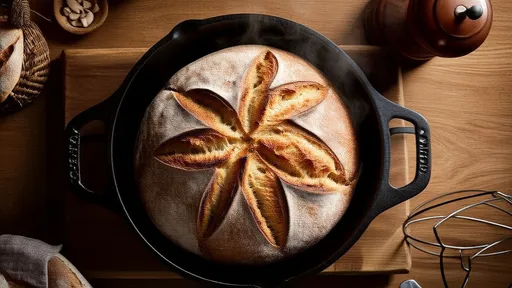
Baking transforms this carefully nurtured dough into its final glorious form. Steam injection proves invaluable for achieving that thin, shiny crust characteristic of premium Japanese milk bread, though home bakers can approximate this with careful spritzing and covered baking. The loaf should sound hollow when tapped, with sides that contract slightly from the pan - signs that the interior structure has properly set. Some masters brush the hot loaf with simple syrup or milk for extra sheen, while others insist this compromises the delicate crust texture.
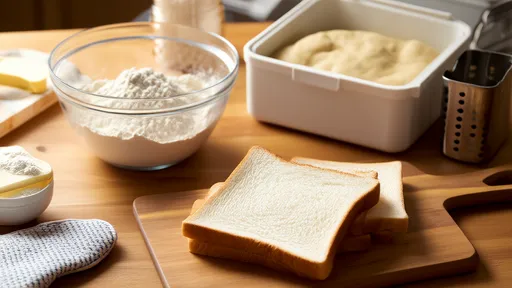
What truly sets this method apart becomes apparent after baking. Where most homemade breads stale within a day, water roux loaves maintain their softness for three to four days when properly stored. The crumb actually seems to improve after the first 12 hours as the moisture redistributes, making this an ideal make-ahead bread for special occasions. Toasting brings out hidden dimensions - the Maillard reaction caramelizes the milk sugars while the interior stays pillow-soft.
Contemporary bakers continue refining these techniques, experimenting with different flour blends or incorporating ingredients like yuzu zest or black sesame for modern twists. Yet the core principles remain unchanged: respect the ingredients, control the temperatures, and allow time to work its magic. This marriage of Japanese precision and European patience creates not just bread, but edible silk - each slice a testament to the artistry possible in one's own kitchen.
By /Jun 18, 2025

By /Jun 18, 2025
By /Jun 18, 2025
By /Jun 18, 2025
By /Jun 18, 2025
By /Jun 18, 2025
By /Jun 18, 2025
By /Jun 18, 2025
By /Jun 18, 2025
By /Jun 18, 2025

By /Jun 18, 2025
By /Jun 18, 2025

By /Jun 18, 2025

By /Jun 18, 2025
By /Jun 18, 2025

By /Jun 18, 2025