Microwave Japanese Tamagoyaki: Silky Smooth Techniques with Egg Filtration and Sequential Pan-Frying

Jun 18, 2025 By

The humble tamagoyaki, Japan's iconic rolled omelet, has long been revered for its delicate layers and custardy texture. While traditional stovetop methods require specialized rectangular pans and precise temperature control, modern home cooks are discovering an unexpected ally in their quest for perfect tamagoyaki - the microwave oven.

At first glance, microwaving might seem sacrilegious to tamagoyaki purists. Yet this unconventional approach, when executed with proper technique, yields remarkably tender results while eliminating the need for constant pan-tending. The secret lies in understanding how microwave energy interacts with egg proteins and employing strategic pauses to build those signature golden layers.

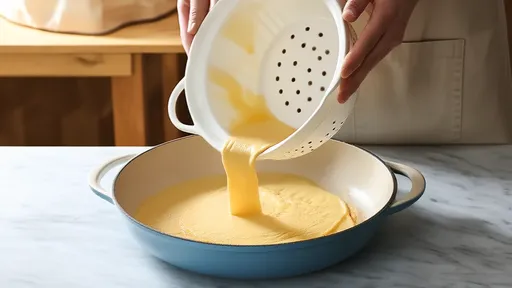
The foundation of exceptional microwave tamagoyaki begins with meticulous egg preparation. Japanese chefs have known for generations that strained eggs make superior omelets, and this principle becomes even more crucial in microwave cooking. Passing beaten eggs through a fine-mesh sieve accomplishes three transformative effects: it removes the chalazae (those stubborn white cords that can create uneven textures), incorporates air for loftiness, and creates a homogenous mixture that cooks evenly under microwave radiation.

Seasoning balance proves particularly important in microwave versions. Where stovetop cooking allows for gradual flavor development, microwave tamagoyaki benefits from slightly more assertive seasoning upfront. A classic ratio combines one tablespoon each of mirin and dashi per three large eggs, with a pinch of sugar to promote browning reactions. Some innovative cooks add a teaspoon of mayonnaise to the strained mixture - an unconventional addition that lends incredible richness while helping stabilize the egg's protein network during intermittent cooking.

Mastering the microwave's power settings becomes the next critical skill. Unlike the binary on/off nature of stovetop heat, microwave ovens offer graduated power levels that savvy cooks can exploit. The ideal approach uses 50-60% power in short bursts, typically 30-45 seconds per layer depending on wattage. This moderate intensity allows heat to penetrate evenly without causing the violent protein shocks that lead to rubbery textures. Between bursts, the partially cooked egg needs brief resting periods - these pauses let residual heat continue gentle coagulation while preventing overcooked edges.

The layering technique distinguishes microwave tamagoyaki from ordinary scrambled eggs. After the initial cook forms a thin set layer, the artful rolling begins. Using microwave-safe silicone spatulas or chopsticks, the cook carefully lifts one edge and folds it over itself, then rotates the dish to position the loose egg mixture for the next application of heat. This process repeats in stages, with each new layer bonding to its predecessor through careful timing and temperature management. The microwave's ability to cook from all sides simultaneously actually facilitates more even layer adhesion than traditional single-sided pan cooking.

Dish selection impacts outcomes more than most anticipate. Rectangular microwave-safe containers naturally lend themselves to tamagoyaki's form, but material matters profoundly. Glass or ceramic dishes with rounded corners prevent egg from getting trapped in sharp angles, while their thermal mass helps regulate heat spikes. Thin plastic containers often create hot spots that can lead to uneven textures. Some inventive cooks use specially designed microwave tamagoyaki molds with removable dividers that help maintain shape during the layering process.

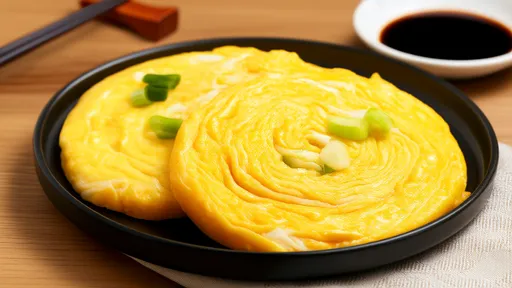
The final texture test comes in the resting phase after cooking. Properly executed microwave tamagoyaki should display a uniform golden hue without dark spots, with layers visible but seamlessly merged when sliced. The interior should appear moist but not wet, with a consistency akin to firm custard rather than spongy cake. Allowing the rolled omelet to rest covered for five minutes before slicing lets residual heat complete the cooking process while the proteins relax into their final tender form.

Flavor variations abound for the adventurous microwave tamagoyaki enthusiast. Incorporating finely grated mountain yam (nagaimo) into the egg mixture adds a fascinating textural dimension and subtle sweetness. For umami depth, a tablespoon of grated dried bonito flakes (katsuobushi) can be blended into the strained eggs. Contemporary fusion versions might include microplaned Parmesan or truffle oil for Western-inspired notes, always remembering that subtlety remains the hallmark of great tamagoyaki.

Presentation elevates microwave tamagoyaki from quick snack to elegant dish. Traditionalists slice the log into medallions displaying the concentric layers, often garnished with grated daikon and a drizzle of soy sauce. Modern interpretations might feature the whole roll as a centerpiece, accompanied by pickled vegetables or artful smears of flavored mayonnaise. However served, the visual appeal of those distinct yet harmonious layers speaks to the care invested in their creation.

Beyond convenience, microwave tamagoyaki offers surprising nutritional advantages. The controlled, lower-temperature cooking better preserves heat-sensitive nutrients like certain B vitamins compared to high-heat stovetop methods. The minimal added fat (often just a quick spritz of oil in the dish) makes it a lean protein option, while the natural sweetness from mirin satisfies cravings without refined sugars. For time-pressed health-conscious eaters, it's a rare combination of speed, nutrition and culinary satisfaction.

As microwave technology continues advancing, so too do the possibilities for this preparation. Some high-end microwave ovens now feature specialized egg cooking programs that automatically adjust power levels throughout the process. Others incorporate steam functions that can prevent surface drying during the longer cooking times required for thicker tamagoyaki. These innovations suggest a future where microwave tamagoyaki might rival - or even surpass - its stovetop ancestor in both quality and consistency.

The true beauty of microwave tamagoyaki lies in its democratization of a once-technical dish. Where traditional methods demanded specialized equipment and years of practice to master the wrist-flipping technique, the microwave version puts beautifully layered Japanese omelets within reach of any home cook willing to understand its unique rhythms. In doing so, it honors the spirit of tamagoyaki - transforming simple eggs into something greater through patience, precision and respect for ingredients.
Recommend Posts
Food

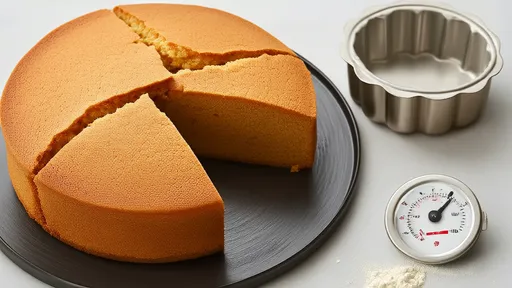
Repairing Cracks in Chiffon Cake: Adjustments for Oven Temperature and Mold Anti-stick

By /Jun 18, 2025

The delicate chiffon cake, with its cloud-like texture and tender crumb, has long been a favorite among bakers and dessert lovers alike. Yet this seemingly simple cake presents unique challenges that can frustrate even experienced bakers. Among the most common issues are unsightly cracks across the top and stubborn sticking to the pan that ruins the cake's beautiful presentation. These problems often stem from improper oven temperature management and inadequate pan preparation, but with careful adjustments, they can be resolved to produce picture-perfect chiffon cakes every time.
Food

Key to Bagel Boiling: Sugar Water Cooking Time and Surface Gloss Formation Method

By /Jun 18, 2025

The art of crafting the perfect bagel lies in the delicate balance of technique and timing, with the boiling process standing as one of the most critical steps. Unlike other bread varieties, bagels undergo a unique pre-bake boiling that gives them their signature chew and glossy exterior. The science behind this transformation is fascinating, particularly how sugar in the boiling water and precise timing contribute to the development of that coveted sheen.
Food

Timing of Nut Addition During Dough Mixing for Russian Rye Bread

By /Jun 18, 2025

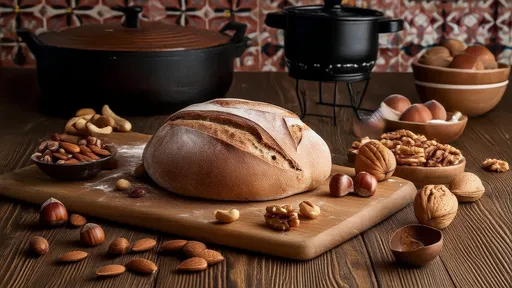
The art of crafting traditional Russian rye bread, particularly the beloved orekhovy khleb (nut bread), hinges on a delicate balance of technique and timing—nowhere more so than in the critical moment of incorporating nuts into the dough. Across Russia’s diverse regions, from the walnut-rich Caucasus to the hazelnut-laden forests of the Far East, bakers have long debated the optimal stage for adding nuts during mixing. This decision impacts not only texture and flavor distribution but also the bread’s structural integrity.
Food

Preventing Collapsing of Brown Sugar Buns: Control of Yeast Amount and Second Proofing Temperature

By /Jun 18, 2025

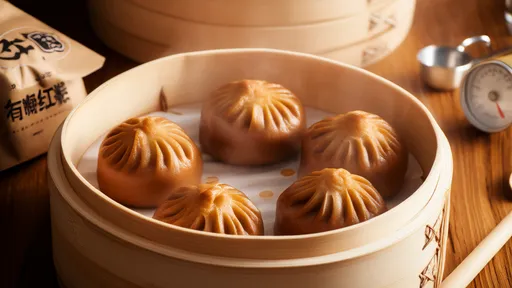
The art of crafting perfectly fluffy brown sugar steamed buns lies in mastering two critical elements: precise yeast measurement and the delicate control of secondary proofing temperature. These factors, often overlooked by home bakers, separate dense, collapsed buns from those with pillowy-soft textures and beautifully domed tops. Professional Chinese pastry chefs guard these secrets closely, but through careful experimentation and traditional wisdom, we can unravel the science behind these golden-brown delights.
Food

Baking Soda Bread: Controlling Soaking Time in 5% Sodium Hydroxide Solution

By /Jun 18, 2025

The art of crafting pretzels and other lye-based baked goods hinges on a delicate balance between chemistry and timing. At the heart of this process lies the use of a 5% sodium hydroxide (NaOH) solution, a caustic yet transformative bath that gives these treats their signature glossy crust and distinct flavor. Mastering the immersion time in this alkaline solution is not just a matter of tradition—it’s a science that separates amateur attempts from professional-quality results.
Food

No-Knead European Country Bread: Crispy Crust with Cast Iron Pot Steam Injection Method

By /Jun 18, 2025

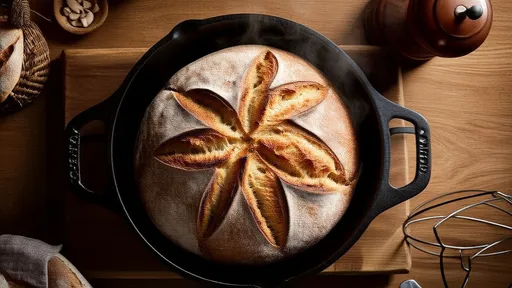
There’s something deeply satisfying about pulling a loaf of crusty, golden-brown bread from the oven. The crackle of the crust as it cools, the soft, airy crumb inside—it’s the kind of bread that transports you to a rustic countryside bakery with just one bite. For home bakers, achieving that perfect balance of texture and flavor can seem daunting, especially without professional equipment. But the no-knead European-style country bread, baked in a cast-iron Dutch oven, offers a surprisingly simple solution. The method relies on steam injection to create that coveted crisp crust, and the results are nothing short of spectacular.
Food

Japanese Milk Bread Dough Technique: Hydration Method + Cold Fermentation for Ultra Soft and Stretchy Bread

By /Jun 18, 2025

In the world of artisanal bread-making, Japanese-style milk bread stands out for its impossibly soft, feather-light texture and delicate sweetness. Among the various techniques developed to achieve this perfection, the combination of water roux method (tangzhong) with cold fermentation has emerged as a game-changer for home bakers seeking that professional-quality pull-apart tenderness. This hybrid approach merges Japanese precision with European slow-fermentation wisdom, creating loaves that stay moist for days while developing complex flavors.
Food

Vietnamese Pho Broth: Beef Bone Blanching and Spice Packet Cooking Method to Remove Off-flavors

By /Jun 18, 2025

The art of crafting a rich and aromatic Vietnamese pho broth lies in the meticulous preparation of its foundational elements. Among these, the treatment of beef bones and the careful selection of spices play pivotal roles in achieving a clean, deeply flavorful base. Traditional methods emphasize the importance of blanching bones to remove impurities, followed by a slow simmer with a balanced spice blend to create a broth that is both complex and comforting.
Food

Secret to Making Thin French Crepes: Sieve the Batter + Skillful Pan Rotation and Spreading Techniques

By /Jun 18, 2025

The art of crafting the perfect French crepe lies in two seemingly simple yet profoundly important techniques: achieving a flawlessly smooth batter through meticulous straining, and mastering the wrist movement that creates those impossibly thin, even circles in the pan. These twin pillars of crepe-making separate the amateur attempts from the professional-grade results that characterize authentic Parisian crêperies.
Food

Perfecting Indian Basmati Rice in 10 Minutes: Precise Control of Water-to-Rice Ratio and Cooking Time

By /Jun 18, 2025

The allure of perfectly cooked basmati rice lies in its delicate texture and aromatic fragrance - grains that remain separate yet tender, with just the right amount of bite. While many home cooks struggle to achieve restaurant-quality results, the secret actually lies in understanding two critical factors: the precise water-to-rice ratio and the often-overlooked resting period after cooking.
Food

Thai Sweet Chili Sauce Blend: The Taste Balance of Red Chili, Fish Sauce, and Lemon Juice

By /Jun 18, 2025

The art of creating the perfect Thai sweet chili sauce lies in mastering the delicate dance between three fundamental flavors: the fiery punch of red chili, the umami depth of fish sauce, and the bright acidity of lemon juice. This iconic condiment, found on tables across Thailand and increasingly in kitchens worldwide, demonstrates how simple ingredients can create extraordinary complexity when balanced with precision.
Food

Italian Pesto: Basil Leaves, Pine Nuts, and Olive Oil Grinding Order

By /Jun 18, 2025

The art of crafting authentic Italian pesto is a delicate dance of flavors, textures, and techniques. At its heart lies the harmonious union of fresh basil leaves, pine nuts, and extra virgin olive oil – a trinity of ingredients that, when combined in the right order, creates a sauce that’s vibrant, aromatic, and deeply satisfying. The sequence in which these elements are introduced to the mortar and pestle isn’t merely a suggestion; it’s a centuries-old tradition that directly impacts the final character of the sauce.
Food

Japanese Sukiyaki Sauce Recipe: The Golden Ratio of Mirin, Soy Sauce, and Sugar

By /Jun 18, 2025

The art of Japanese sukiyaki lies in its delicate balance of sweet and savory flavors, achieved through the harmonious marriage of mirin, soy sauce, and sugar. This holy trinity of ingredients forms the foundation of the iconic sukiyaki sauce, a culinary alchemy that has been perfected over generations. While many variations exist across households and regions, the golden ratio of these components remains the soul of this beloved hot pot tradition.
Food

No Fry British Fish: Cornstarch Batter + Oven Baking Alternative"

By /Jun 18, 2025

The classic British fish and chips, with its golden, crispy exterior and tender flaky fish inside, has long been a beloved comfort food. However, the traditional deep-frying method, while delivering that signature crunch, comes with a hefty dose of oil and calories. For those seeking a healthier alternative without sacrificing texture or flavor, an oven-baked, no-fry version using cornstarch as a coating offers a promising solution.
Food

Microwave Japanese Tamagoyaki: Silky Smooth Techniques with Egg Filtration and Sequential Pan-Frying

By /Jun 18, 2025

The humble tamagoyaki, Japan's iconic rolled omelet, has long been revered for its delicate layers and custardy texture. While traditional stovetop methods require specialized rectangular pans and precise temperature control, modern home cooks are discovering an unexpected ally in their quest for perfect tamagoyaki - the microwave oven.
Food

5-Minute Greek Tzatziki: Cucumber Yogurt with Garlic for Deodorizing Mixing Method

By /Jun 18, 2025

In the realm of Mediterranean cuisine, few condiments carry the refreshing punch and versatile appeal of authentic Greek tzatziki. This creamy cucumber-yogurt sauce has transcended its regional origins to become a global favorite, equally at home alongside grilled meats as it is spread on warm pita bread. What many home cooks don't realize is that crafting exceptional tzatziki isn't about complex techniques or rare ingredients - it's about mastering a few critical steps that transform simple components into something extraordinary.