No-Knead European Country Bread: Crispy Crust with Cast Iron Pot Steam Injection Method

Jun 18, 2025 By

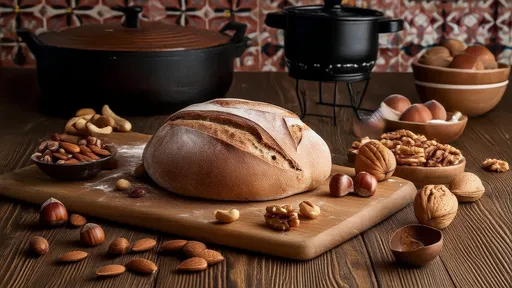
There’s something deeply satisfying about pulling a loaf of crusty, golden-brown bread from the oven. The crackle of the crust as it cools, the soft, airy crumb inside—it’s the kind of bread that transports you to a rustic countryside bakery with just one bite. For home bakers, achieving that perfect balance of texture and flavor can seem daunting, especially without professional equipment. But the no-knead European-style country bread, baked in a cast-iron Dutch oven, offers a surprisingly simple solution. The method relies on steam injection to create that coveted crisp crust, and the results are nothing short of spectacular.

The magic of this technique lies in its simplicity. Traditional bread-making often involves lengthy kneading sessions to develop gluten, but the no-knead approach lets time do the work instead. A wet, sticky dough is left to ferment slowly, often overnight, allowing natural enzymes and yeast to develop complex flavors and a strong gluten network without manual effort. When baked in a preheated cast-iron pot, the dough benefits from trapped steam, which keeps the surface moist during the initial rise, enabling the loaf to expand fully before forming a thick, crackling crust.

Why does steam matter so much? In professional bakeries, steam-injected ovens are standard for crafting artisanal loaves. Steam delays crust formation, giving the bread more time to rise and achieve an open, irregular crumb. It also promotes gelatinization of the starches on the surface, leading to a glossy, deeply caramelized crust. At home, replicating this environment is tricky—but a cast-iron Dutch oven acts as a miniature steam chamber. The heavy lid seals in moisture released by the dough, mimicking the effects of a commercial oven. The result? A loaf with an audibly crisp exterior and a tender, hole-riddled interior.

The ingredients for this bread are as humble as the method itself: flour, water, salt, and yeast. No fancy additives, no complicated steps. Yet, the transformation from a shaggy, unpromising dough to a majestic boule is nothing short of alchemy. The key is patience. A long, slow fermentation not only enhances flavor but also improves the bread’s texture and digestibility. For those who’ve struggled with dense, lackluster homemade loaves, this method is a revelation.

Choosing the right cast-iron pot is crucial. A Dutch oven with a tight-fitting lid is ideal, as it prevents steam from escaping too quickly. Preheating the empty pot is non-negotiable—it ensures the dough hits a searing-hot surface, kickstarting oven spring and crust development. Some bakers opt for parchment paper to lower the dough into the pot safely, while others dust the base with cornmeal or flour to prevent sticking. Either way, the goal is to maintain as much steam as possible during the first half of baking.

Timing plays a pivotal role. After 20–30 minutes of baking with the lid on, the steam has done its job, and the crust begins to set. Removing the lid at this stage allows the bread to dry out and develop a deep, rich color. The final bake should leave the loaf with an internal temperature of around 210°F (99°C), signaling that the crumb is fully set. Letting it cool completely before slicing is agony but essential—the residual heat continues to work on the interior, and cutting too soon can leave the bread gummy.

For those who love variations, this method is endlessly adaptable. Whole-grain flours, seeds, or even herbs can be incorporated into the dough for added complexity. Some bakers experiment with hydration levels, pushing the dough to higher water content for an even more open crumb. Others play with fermentation times, letting the dough rest in the fridge for up to 48 hours to deepen the flavor profile. The beauty of this approach is its flexibility—once mastered, it becomes a canvas for creativity.

Beyond the technicalities, there’s an almost meditative quality to baking bread this way. It demands attention but not haste. It rewards observation and intuition. The process connects us to centuries of baking tradition, where time and elemental ingredients were all that was needed to create something extraordinary. In an era of instant gratification, the no-knead cast-iron method is a gentle reminder that some things are worth waiting for.

For beginners, the first attempt might not be perfect—perhaps the crust is too thick, or the crumb denser than expected. But even these “flaws” often yield delicious results. Each loaf is a lesson, and with practice, the technique becomes second nature. The aroma of freshly baked bread filling the kitchen, the sound of the crust crackling as it cools, the pride of slicing into a loaf you made from scratch—these are joys that never grow old.

In the end, the no-knead European-style country bread baked in a cast-iron pot is more than just a recipe. It’s a gateway to the world of artisanal baking, proving that with a few basic tools and a little patience, anyone can achieve bakery-quality results at home. Whether you’re a seasoned baker or a complete novice, this method invites you to slow down, embrace the process, and savor the simple pleasure of a perfectly baked loaf.
Recommend Posts
Food

Repairing Cracks in Chiffon Cake: Adjustments for Oven Temperature and Mold Anti-stick

By /Jun 18, 2025

The delicate chiffon cake, with its cloud-like texture and tender crumb, has long been a favorite among bakers and dessert lovers alike. Yet this seemingly simple cake presents unique challenges that can frustrate even experienced bakers. Among the most common issues are unsightly cracks across the top and stubborn sticking to the pan that ruins the cake's beautiful presentation. These problems often stem from improper oven temperature management and inadequate pan preparation, but with careful adjustments, they can be resolved to produce picture-perfect chiffon cakes every time.
Food

Key to Bagel Boiling: Sugar Water Cooking Time and Surface Gloss Formation Method

By /Jun 18, 2025

The art of crafting the perfect bagel lies in the delicate balance of technique and timing, with the boiling process standing as one of the most critical steps. Unlike other bread varieties, bagels undergo a unique pre-bake boiling that gives them their signature chew and glossy exterior. The science behind this transformation is fascinating, particularly how sugar in the boiling water and precise timing contribute to the development of that coveted sheen.
Food

Timing of Nut Addition During Dough Mixing for Russian Rye Bread

By /Jun 18, 2025

The art of crafting traditional Russian rye bread, particularly the beloved orekhovy khleb (nut bread), hinges on a delicate balance of technique and timing—nowhere more so than in the critical moment of incorporating nuts into the dough. Across Russia’s diverse regions, from the walnut-rich Caucasus to the hazelnut-laden forests of the Far East, bakers have long debated the optimal stage for adding nuts during mixing. This decision impacts not only texture and flavor distribution but also the bread’s structural integrity.
Food

Preventing Collapsing of Brown Sugar Buns: Control of Yeast Amount and Second Proofing Temperature

By /Jun 18, 2025

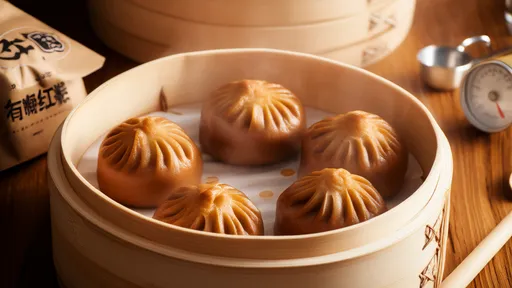
The art of crafting perfectly fluffy brown sugar steamed buns lies in mastering two critical elements: precise yeast measurement and the delicate control of secondary proofing temperature. These factors, often overlooked by home bakers, separate dense, collapsed buns from those with pillowy-soft textures and beautifully domed tops. Professional Chinese pastry chefs guard these secrets closely, but through careful experimentation and traditional wisdom, we can unravel the science behind these golden-brown delights.
Food

Baking Soda Bread: Controlling Soaking Time in 5% Sodium Hydroxide Solution

By /Jun 18, 2025

The art of crafting pretzels and other lye-based baked goods hinges on a delicate balance between chemistry and timing. At the heart of this process lies the use of a 5% sodium hydroxide (NaOH) solution, a caustic yet transformative bath that gives these treats their signature glossy crust and distinct flavor. Mastering the immersion time in this alkaline solution is not just a matter of tradition—it’s a science that separates amateur attempts from professional-quality results.
Food

No-Knead European Country Bread: Crispy Crust with Cast Iron Pot Steam Injection Method

By /Jun 18, 2025

There’s something deeply satisfying about pulling a loaf of crusty, golden-brown bread from the oven. The crackle of the crust as it cools, the soft, airy crumb inside—it’s the kind of bread that transports you to a rustic countryside bakery with just one bite. For home bakers, achieving that perfect balance of texture and flavor can seem daunting, especially without professional equipment. But the no-knead European-style country bread, baked in a cast-iron Dutch oven, offers a surprisingly simple solution. The method relies on steam injection to create that coveted crisp crust, and the results are nothing short of spectacular.
Food

Japanese Milk Bread Dough Technique: Hydration Method + Cold Fermentation for Ultra Soft and Stretchy Bread

By /Jun 18, 2025

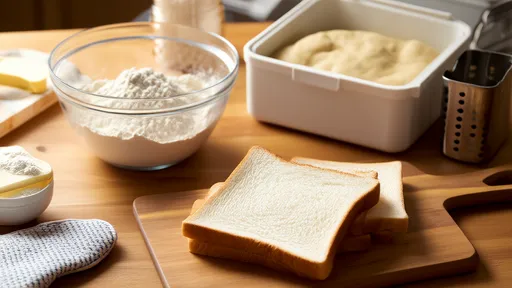
In the world of artisanal bread-making, Japanese-style milk bread stands out for its impossibly soft, feather-light texture and delicate sweetness. Among the various techniques developed to achieve this perfection, the combination of water roux method (tangzhong) with cold fermentation has emerged as a game-changer for home bakers seeking that professional-quality pull-apart tenderness. This hybrid approach merges Japanese precision with European slow-fermentation wisdom, creating loaves that stay moist for days while developing complex flavors.
Food

Vietnamese Pho Broth: Beef Bone Blanching and Spice Packet Cooking Method to Remove Off-flavors

By /Jun 18, 2025

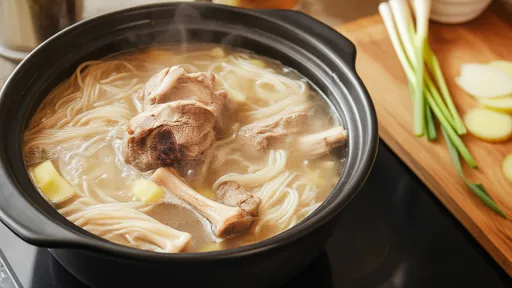
The art of crafting a rich and aromatic Vietnamese pho broth lies in the meticulous preparation of its foundational elements. Among these, the treatment of beef bones and the careful selection of spices play pivotal roles in achieving a clean, deeply flavorful base. Traditional methods emphasize the importance of blanching bones to remove impurities, followed by a slow simmer with a balanced spice blend to create a broth that is both complex and comforting.
Food

Secret to Making Thin French Crepes: Sieve the Batter + Skillful Pan Rotation and Spreading Techniques

By /Jun 18, 2025

The art of crafting the perfect French crepe lies in two seemingly simple yet profoundly important techniques: achieving a flawlessly smooth batter through meticulous straining, and mastering the wrist movement that creates those impossibly thin, even circles in the pan. These twin pillars of crepe-making separate the amateur attempts from the professional-grade results that characterize authentic Parisian crêperies.
Food

Perfecting Indian Basmati Rice in 10 Minutes: Precise Control of Water-to-Rice Ratio and Cooking Time

By /Jun 18, 2025

The allure of perfectly cooked basmati rice lies in its delicate texture and aromatic fragrance - grains that remain separate yet tender, with just the right amount of bite. While many home cooks struggle to achieve restaurant-quality results, the secret actually lies in understanding two critical factors: the precise water-to-rice ratio and the often-overlooked resting period after cooking.
Food

Thai Sweet Chili Sauce Blend: The Taste Balance of Red Chili, Fish Sauce, and Lemon Juice

By /Jun 18, 2025

The art of creating the perfect Thai sweet chili sauce lies in mastering the delicate dance between three fundamental flavors: the fiery punch of red chili, the umami depth of fish sauce, and the bright acidity of lemon juice. This iconic condiment, found on tables across Thailand and increasingly in kitchens worldwide, demonstrates how simple ingredients can create extraordinary complexity when balanced with precision.
Food

Italian Pesto: Basil Leaves, Pine Nuts, and Olive Oil Grinding Order

By /Jun 18, 2025

The art of crafting authentic Italian pesto is a delicate dance of flavors, textures, and techniques. At its heart lies the harmonious union of fresh basil leaves, pine nuts, and extra virgin olive oil – a trinity of ingredients that, when combined in the right order, creates a sauce that’s vibrant, aromatic, and deeply satisfying. The sequence in which these elements are introduced to the mortar and pestle isn’t merely a suggestion; it’s a centuries-old tradition that directly impacts the final character of the sauce.
Food

Japanese Sukiyaki Sauce Recipe: The Golden Ratio of Mirin, Soy Sauce, and Sugar

By /Jun 18, 2025

The art of Japanese sukiyaki lies in its delicate balance of sweet and savory flavors, achieved through the harmonious marriage of mirin, soy sauce, and sugar. This holy trinity of ingredients forms the foundation of the iconic sukiyaki sauce, a culinary alchemy that has been perfected over generations. While many variations exist across households and regions, the golden ratio of these components remains the soul of this beloved hot pot tradition.
Food

No Fry British Fish: Cornstarch Batter + Oven Baking Alternative"

By /Jun 18, 2025

The classic British fish and chips, with its golden, crispy exterior and tender flaky fish inside, has long been a beloved comfort food. However, the traditional deep-frying method, while delivering that signature crunch, comes with a hefty dose of oil and calories. For those seeking a healthier alternative without sacrificing texture or flavor, an oven-baked, no-fry version using cornstarch as a coating offers a promising solution.
Food

Microwave Japanese Tamagoyaki: Silky Smooth Techniques with Egg Filtration and Sequential Pan-Frying

By /Jun 18, 2025

The humble tamagoyaki, Japan's iconic rolled omelet, has long been revered for its delicate layers and custardy texture. While traditional stovetop methods require specialized rectangular pans and precise temperature control, modern home cooks are discovering an unexpected ally in their quest for perfect tamagoyaki - the microwave oven.
Food

5-Minute Greek Tzatziki: Cucumber Yogurt with Garlic for Deodorizing Mixing Method

By /Jun 18, 2025

In the realm of Mediterranean cuisine, few condiments carry the refreshing punch and versatile appeal of authentic Greek tzatziki. This creamy cucumber-yogurt sauce has transcended its regional origins to become a global favorite, equally at home alongside grilled meats as it is spread on warm pita bread. What many home cooks don't realize is that crafting exceptional tzatziki isn't about complex techniques or rare ingredients - it's about mastering a few critical steps that transform simple components into something extraordinary.