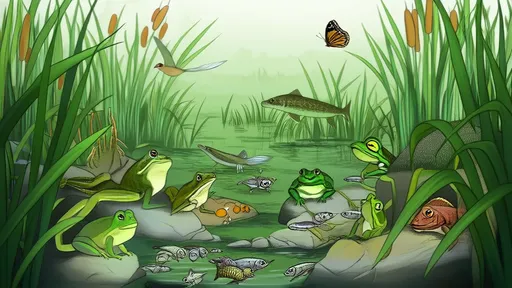
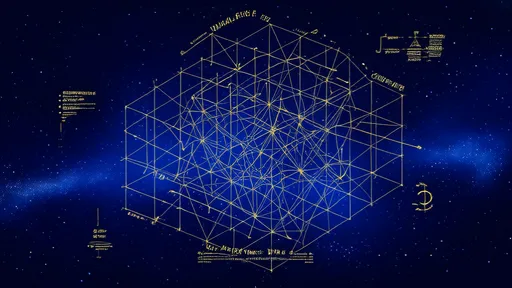
The intricate dance of life within ecosystems is governed by a complex web of interactions, where each species plays a role in maintaining the delicate balance of nature. The concept of food web complexity delves into the myriad ways species are interconnected, creating a network of dependencies that can ripple through an ecosystem with cascading effects. These interactions are not merely linear chains of predator and prey but form a multidimensional tapestry that defines the stability and resilience of ecological communities.
At the heart of this complexity lies the idea that no species exists in isolation. A predator may rely on multiple prey species, while a single prey species might be the linchpin for several predators. This interdependence means that the removal or decline of one species can send shockwaves through the entire system. For instance, the loss of a top predator can lead to an explosion in herbivore populations, which in turn may decimate plant communities, altering the physical structure of the habitat and affecting countless other organisms.
The cascading effects of species interactions are often unpredictable, as they depend on the strength and nature of the connections within the food web. Weak interactions, those where a species has a minor impact on another, can sometimes stabilize ecosystems by buffering against sudden changes. Conversely, strong interactions, such as a dominant predator controlling its prey, can create vulnerabilities if that predator is lost. The interplay of these forces shapes the dynamics of ecosystems, influencing everything from species diversity to nutrient cycling.
One of the most fascinating aspects of food web complexity is the concept of indirect effects. These occur when the impact of one species on another is mediated through a third party. For example, a predator might suppress a herbivore, indirectly benefiting the plants that herbivore consumes. Such indirect interactions can sometimes outweigh direct ones, creating unexpected outcomes that challenge our understanding of ecological processes. These nuances highlight the importance of studying ecosystems as whole networks rather than isolated pairs of species.
Human activities are increasingly disrupting these delicate networks, often with far-reaching consequences. Overfishing, habitat destruction, and climate change are altering the structure of food webs, sometimes in irreversible ways. The decline of keystone species—those with disproportionately large effects on their ecosystems—can be particularly devastating. For instance, the loss of sea otters in kelp forests has led to the overgrazing of kelp by sea urchins, transforming lush underwater forests into barren wastelands. These examples underscore the fragility of ecological networks in the face of anthropogenic pressures.
Despite the challenges, there is hope in the resilience of nature. Ecosystems have a remarkable capacity to adapt and recover, provided that the disturbances are not too severe or prolonged. Conservation efforts that focus on protecting key species and restoring habitats can help rebuild food web complexity, fostering ecosystems that are both diverse and stable. Understanding the cascading effects of species interactions is not just an academic pursuit—it is a critical tool for preserving the natural world upon which we all depend.
The study of food web complexity is a rapidly evolving field, with new technologies and methodologies shedding light on previously hidden connections. Advances in network theory, molecular ecology, and stable isotope analysis are allowing scientists to map species interactions with unprecedented precision. These tools are revealing the hidden threads that bind ecosystems together, offering fresh insights into how we might protect and restore them. As we continue to unravel the mysteries of these ecological networks, one thing becomes clear: the fate of individual species is inextricably linked to the health of the entire web.
By /Jun 19, 2025

By /Jun 19, 2025
By /Jun 19, 2025
By /Jun 19, 2025
By /Jun 19, 2025
By /Jun 19, 2025

By /Jun 19, 2025
By /Jun 19, 2025

By /Jun 19, 2025
By /Jun 19, 2025

By /Jun 19, 2025
By /Jun 19, 2025
By /Jun 19, 2025
By /Jun 19, 2025
By /Jun 19, 2025

By /Jun 19, 2025
By /Jun 19, 2025